Any contractor can claim to clean to TR19. Here is how to tell the ones who actually can, and why independent verification matters.
Read →A TR19 report is your evidence that the system was actually cleaned. Here is what a proper one contains, and the section every buyer should read first.
Read →What actually happens when an engineer surveys your ductwork: what gets measured, photographed and recorded, and what the written output looks like.
Read →BESA publishes two related documents, TR19 and TR19 Grease, and many buildings need both. Here is how to work out which applies to yours.
Read →TR19 Grease links extract cleaning frequency to daily cooking hours. Here is the schedule, and why waiting until it looks dirty is not a policy.
Read →TR19 Grease works on measurement, not opinion. Here is how the wet film thickness test works and what the 200 micron trigger means for your kitchen.
Read →Documented ductwork cleaning is a condition of cover in most UK commercial policies. Here is what that means in practice and what to check in yours.
Read →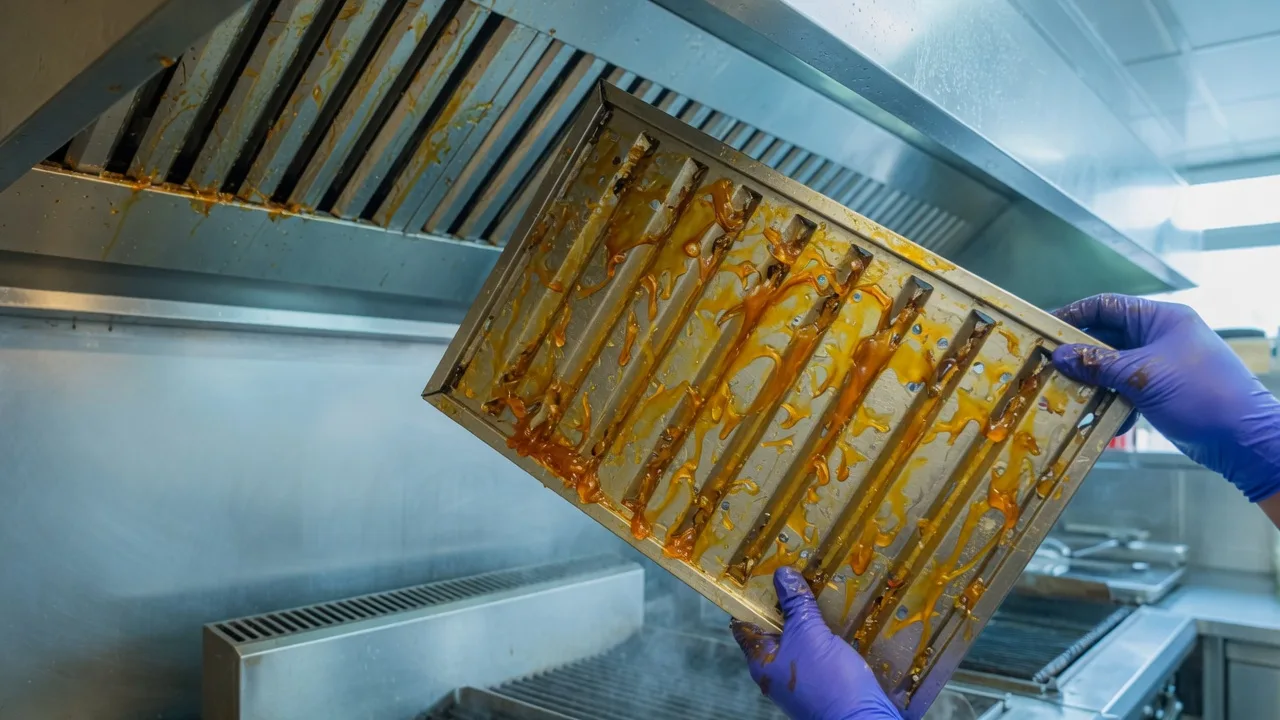
When grease ignites, a kitchen extract system can act like a chimney. Regular TR19 Grease cleaning of ductwork, canopy and fan is how you keep fire risk down.
Read →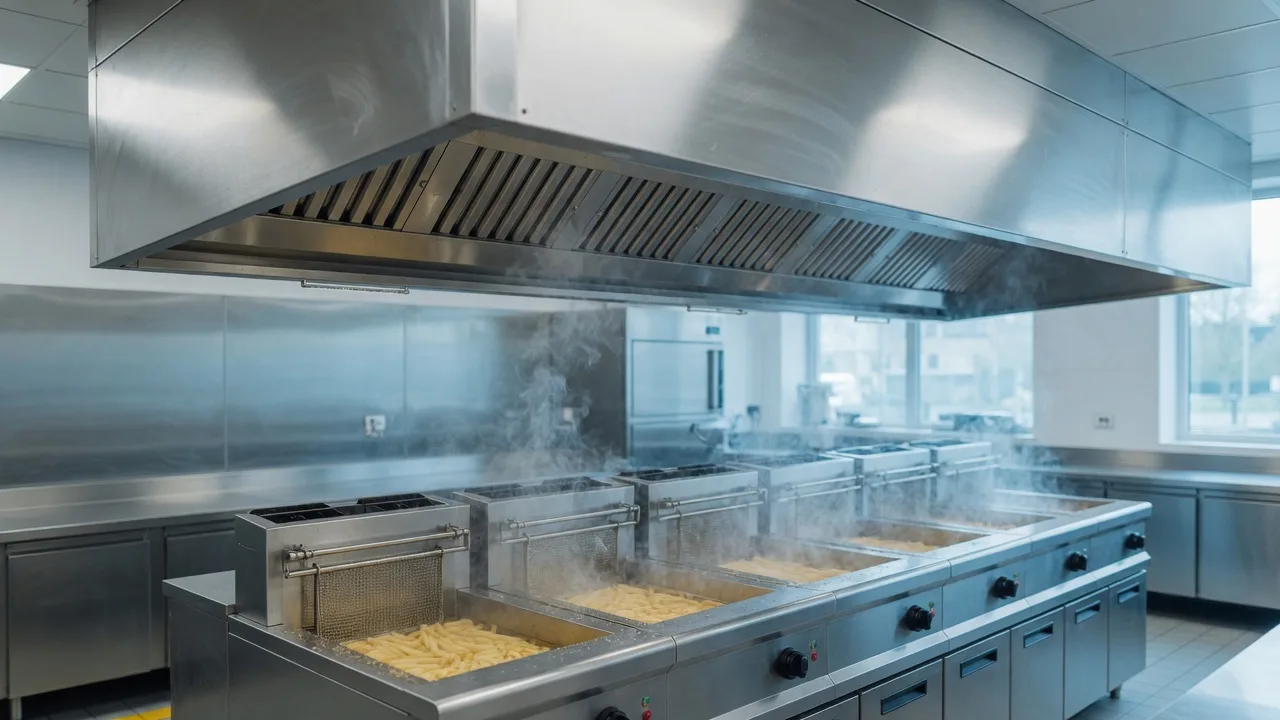
TR19 Grease-compliant kitchen extract cleaning for high-use fast food and QSR kitchens, with certified photographic reports your insurer needs.
Read →
BESA created TR19 to define how ventilation systems should be cleaned. Here is what the standard covers, why it matters, and how often your building needs it.
Read →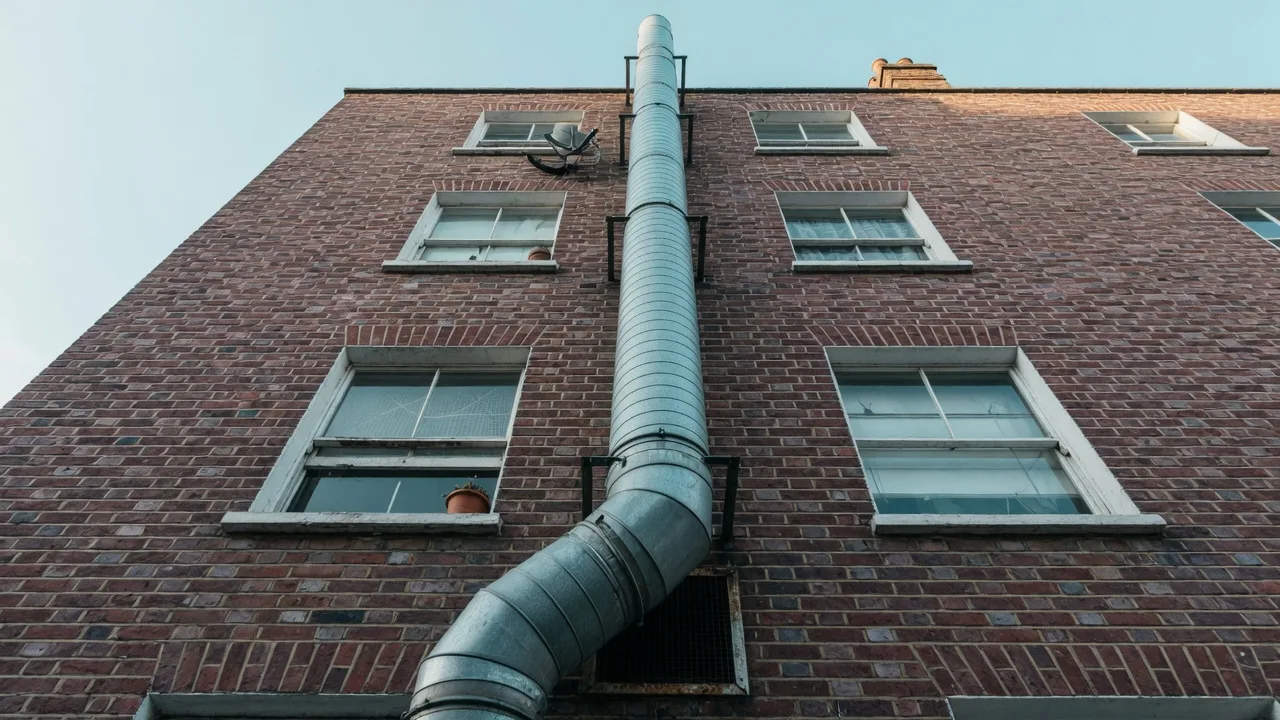
A major kitchen extract fire in London's White City shows what happens when grease builds up in ductwork, and why TR19 cleaning is a fire-safety duty.
Read →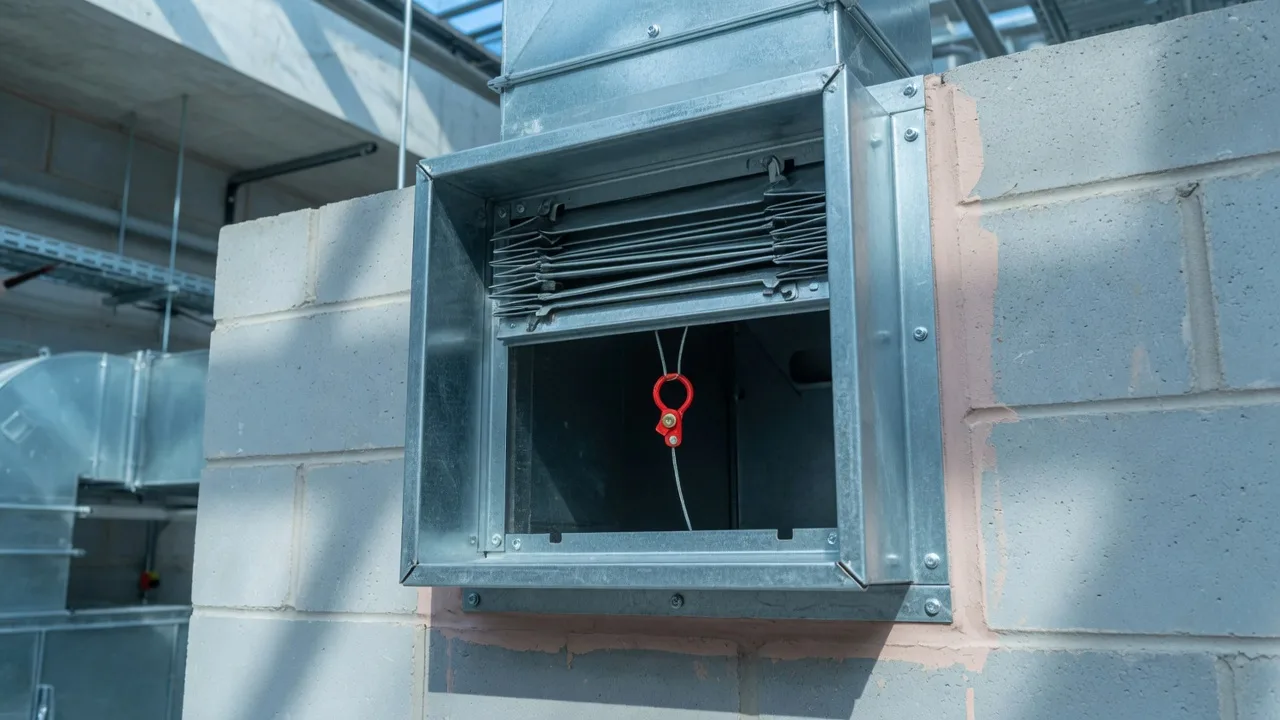
Fire dampers are life-safety devices hidden inside your building's ductwork. Here is what they are, how they work and why they are critical to fire safety.
Read →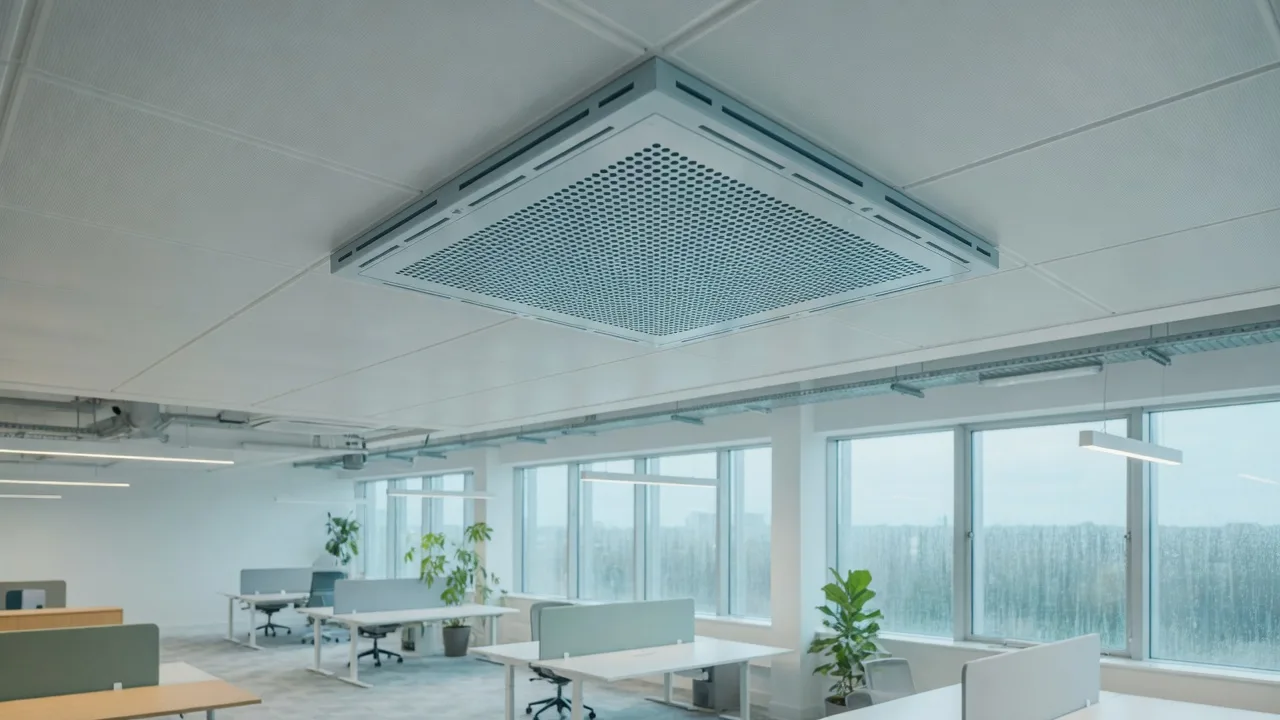
Government guidance on workplace ventilation and air conditioning after COVID-19, and why clean systems and good indoor air quality reduce airborne risk.
Read →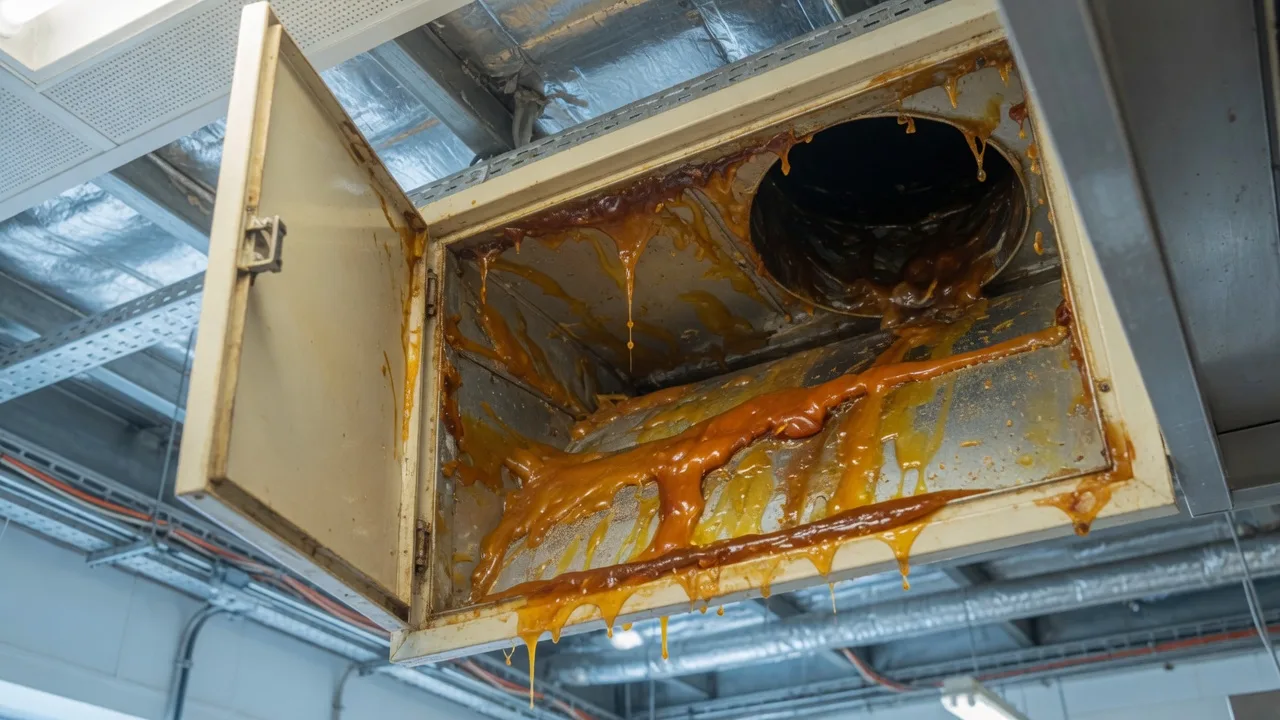
Cleaning your commercial kitchen extract system is a legal and insurance duty. Here is why grease matters and how often to clean under TR19 Grease.
Read →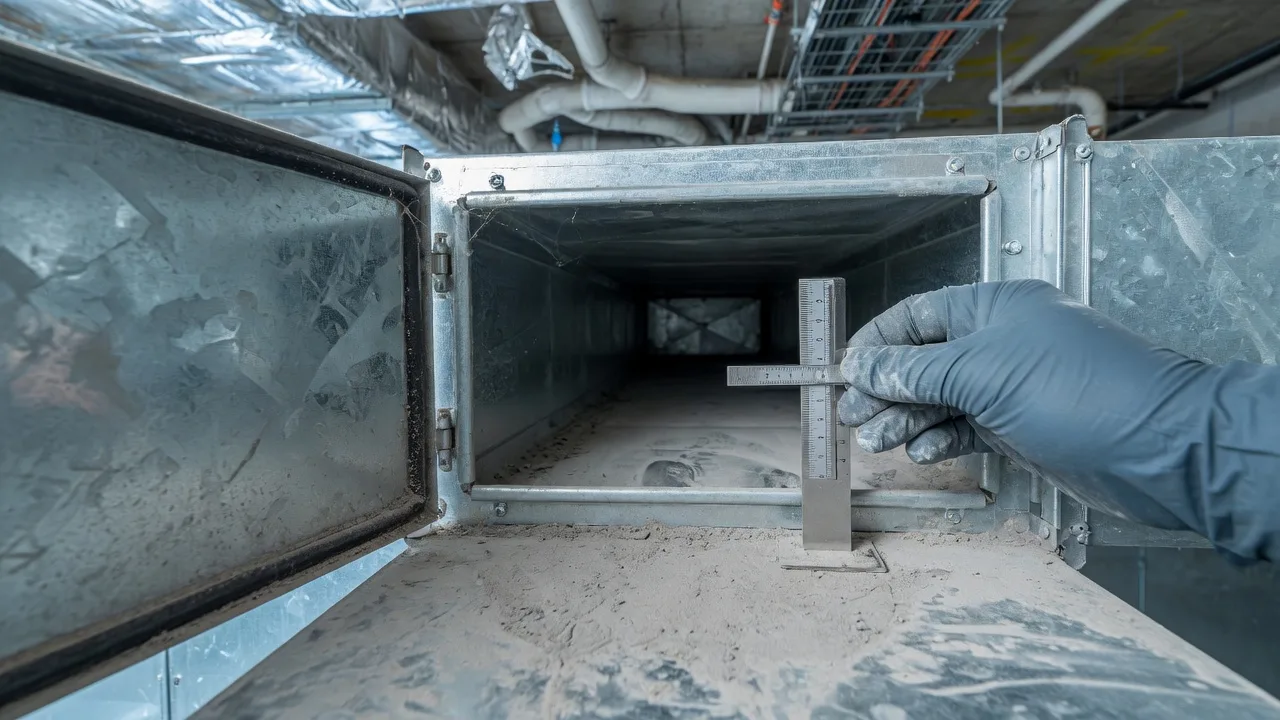
A ventilation ductwork inspection and risk assessment survey identifies contamination, damage and compliance gaps in your building's HVAC system.
Read →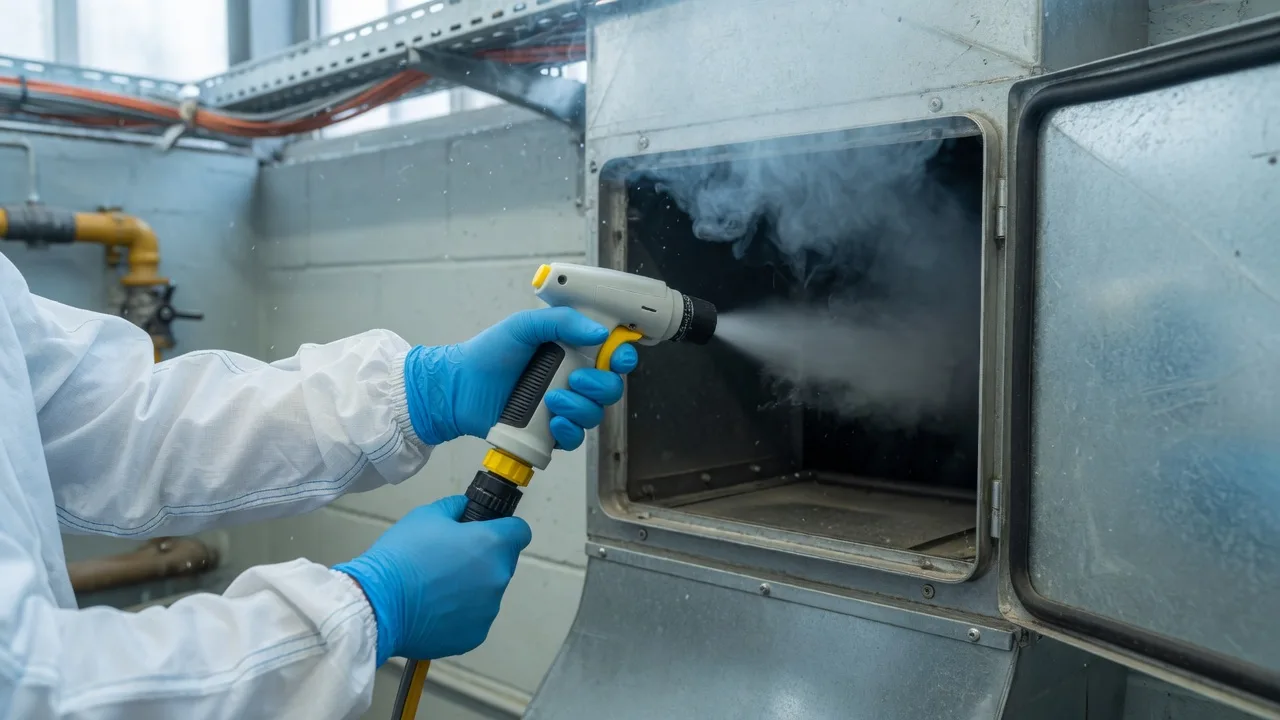
Deep cleaning and fogging removes viruses, bacteria and mould from air supply ductwork, restoring a clean fresh-air supply to a recognised hygiene standard.
Read →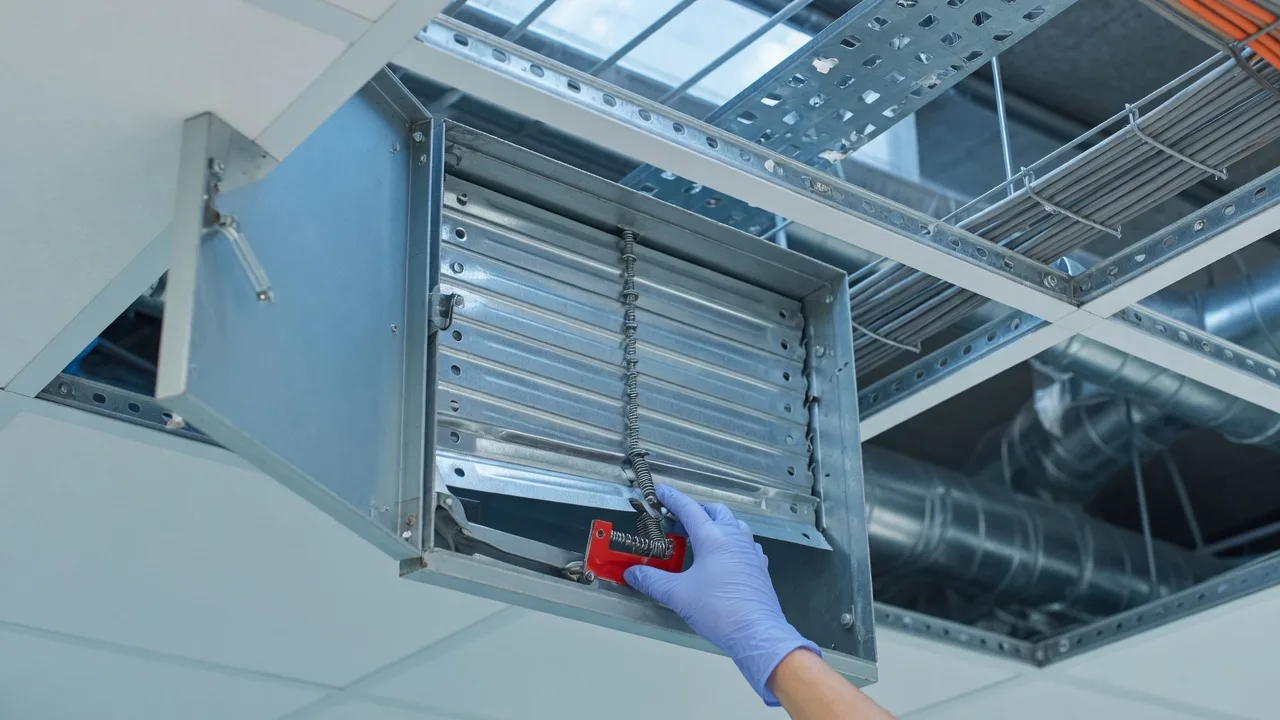
Fire and smoke dampers stop fire and smoke spreading through ductwork. BS 9999:2017 requires annual testing. Here is what that involves and why it matters.
Read →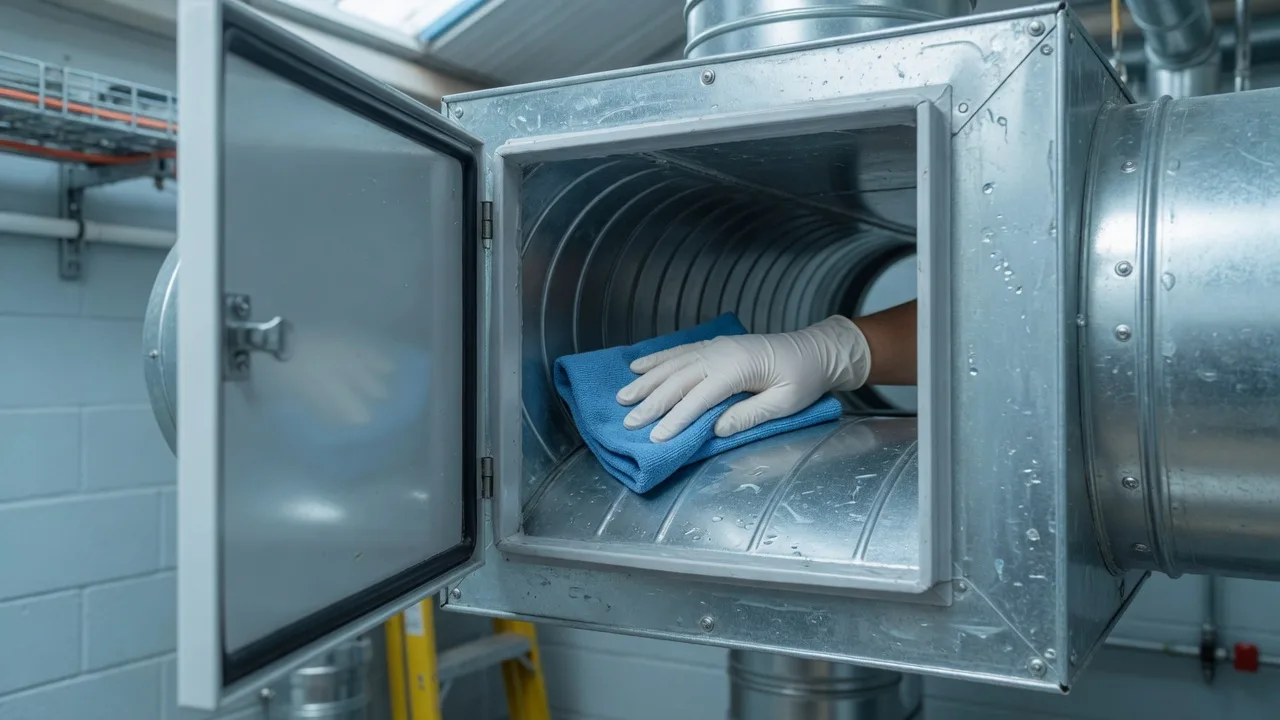
Clean Ducts announced in April 2020 that Gemini AMPM Ltd had been awarded BESCA Vent Hygiene Elite status, the highest standard in the industry.
Read →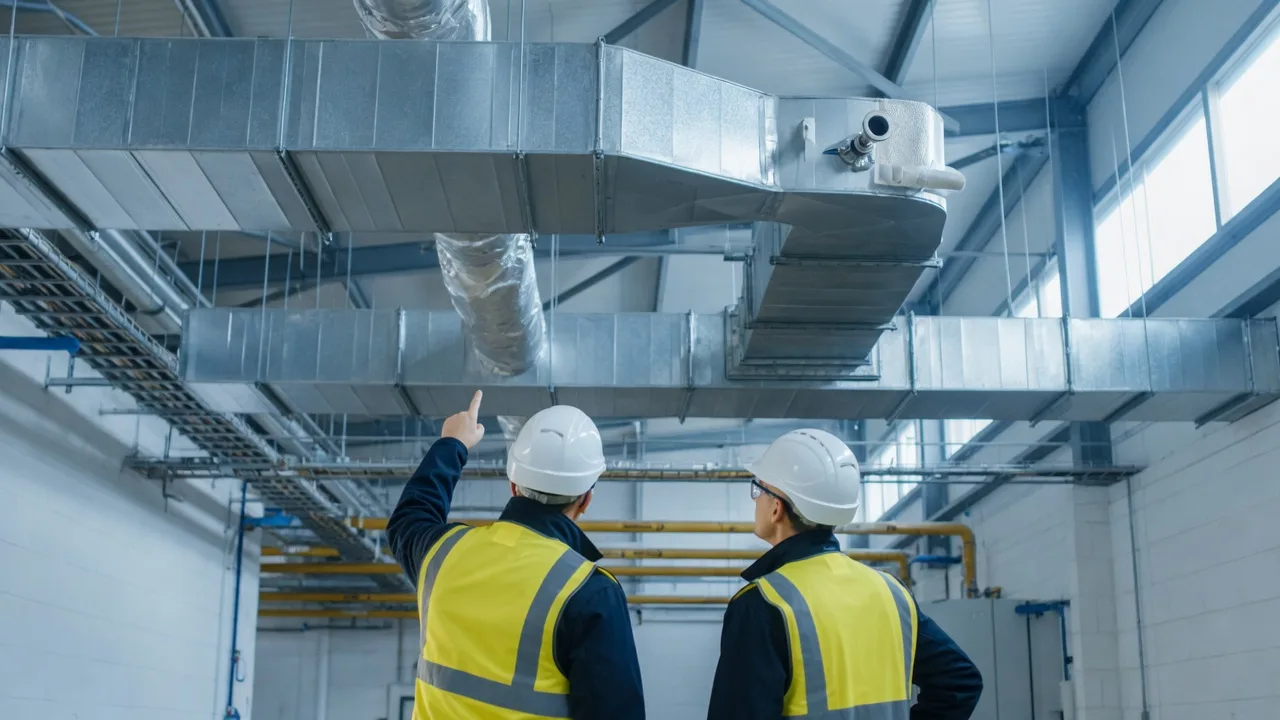
Clean Ducts, the ventilation-hygiene division of Gemini AMPM Ltd, is a BESA member and cleans ductwork to the TR19 standard insurers recognise.
Read →