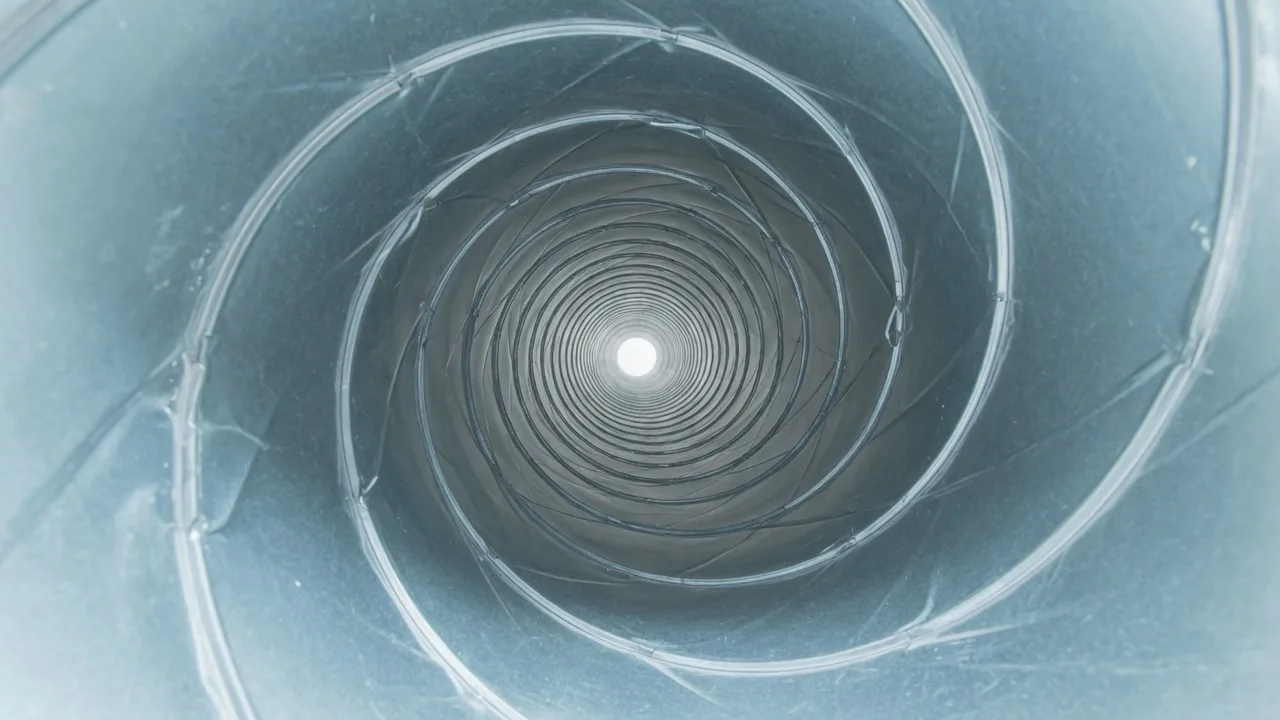
TR19 is the BESA standard that sets out how ventilation systems should be cleaned, inspected and documented. If you are responsible for a building, understanding what TR19 covers is the first step to keeping your ductwork safe, compliant and working as it should.
What is TR19 Cleaning?
Definition and overview of TR19 cleaning
TR19 is the guidance published by BESA (the Building Engineering Services Association) that defines proper cleaning practice for ventilation systems, including supply and extract ductwork. It sets out the methods, cleanliness levels and record-keeping that a competent contractor should follow so your system keeps performing and your indoor air quality is protected.
The guidance covers the practical detail of duct cleaning: how systems should be cleaned, how often the work should be carried out, and what evidence of competence you should expect from the people doing it. Kitchen extract systems are covered separately under TR19 Grease, which deals specifically with grease accumulation and fire risk in commercial kitchens.
Historical context and development of TR19 standards
TR19 was developed in response to growing concern about indoor air quality and the hazards of poorly maintained ventilation. As awareness of health and safety obligations grew, the industry needed a single reference point for what “clean” actually means and how it should be proven.
The result is a recognised framework that gives building owners and specialist contractors a common standard to work to. It aligns duct maintenance with wider building safety expectations, so that cleaning is measurable and verifiable rather than a matter of opinion.
Key components of TR19 cleaning guidelines
The guidance brings together several strands that matter to a building owner:
- Cleaning methods and standards: the approaches used to achieve a complete, measurable clean rather than a surface wipe-down.
- Frequency of cleaning: how often a system should be cleaned, judged against its use and the environment it operates in.
- Reporting and certification: a TR19 report and certificate that document the work carried out and evidence compliance with the standard.
That documentation is the part most often overlooked. Without a report and before-and-after evidence, you cannot demonstrate that your system has actually been cleaned to standard.
The Importance of TR19 Cleaning for Property Owners
Meeting health and safety obligations
Every organisation has to meet health and safety obligations, and maintaining ventilation is part of that duty. A TR19 clean, properly documented, is how you show that duty has been met. Where systems are neglected, you carry the risk of enforcement action and the wider consequences of an unsafe building.
Enhancing indoor air quality and occupant wellbeing
Ventilation systems are there to move clean air through your building. When dust, allergens and other contaminants build up inside ductwork, that same system starts to circulate them instead. Over time this contributes to respiratory irritation and poorer conditions for the people who use the space. Regular cleaning keeps the system doing its job rather than working against it.
Preventing fire hazards and reducing maintenance costs
Grease and debris that collect inside kitchen extract systems are a recognised fire risk in commercial kitchens, which is why TR19 Grease treats extract cleaning as a distinct discipline. Keeping extract ductwork clean reduces that risk directly. Across the wider system, routine maintenance also protects the equipment: a clean system runs more efficiently, needs fewer repairs and lasts longer than one left to clog up.
Key Considerations for Implementing TR19 Cleaning
Identifying the right TR19 cleaning service provider
Compliance depends on who does the work. Look for a contractor whose technicians are trained through BESA’s ventilation programmes and who can show a track record of cleaning to the standard. Membership of a recognised scheme is a useful indicator of competence. Clean Ducts is a BESCA Vent Hygiene Associate member, which means our vent hygiene work is assessed against the standard rather than self-declared.
Understanding the frequency and scope of cleaning required
TR19 does not set one fixed interval for every building. The right frequency depends on the type of premises, how heavily the system is used and the environment it operates in. The reliable way to set a schedule is through regular assessment and post-clean verification surveys, which tell you the actual condition of the system rather than relying on guesswork.
Preparing your property for TR19 cleaning procedures
A clean goes more smoothly with a little preparation. You will need to give the cleaning team access to the relevant plant and duct runs, arrange any permits or notifications, and agree the scope and timing up front. Clear communication about the areas to be worked on and any site-specific requirements keeps disruption to a minimum.
Recap of the Benefits of TR19 Cleaning
TR19 cleaning protects your ventilation system on two fronts at once: it keeps you compliant with health and safety obligations, and it keeps the system delivering good air quality and lower fire risk. Following the standard turns duct maintenance from a box-ticking exercise into a documented, defensible position.
Prioritising regular maintenance
Ventilation cleaning is not a one-off task. Setting a regular maintenance schedule protects the investment you have made in the building and safeguards the health of the people who use it. If you are unsure when your system was last cleaned, or whether it has ever been cleaned to standard, request a survey and we will assess its condition and set out what compliance requires.