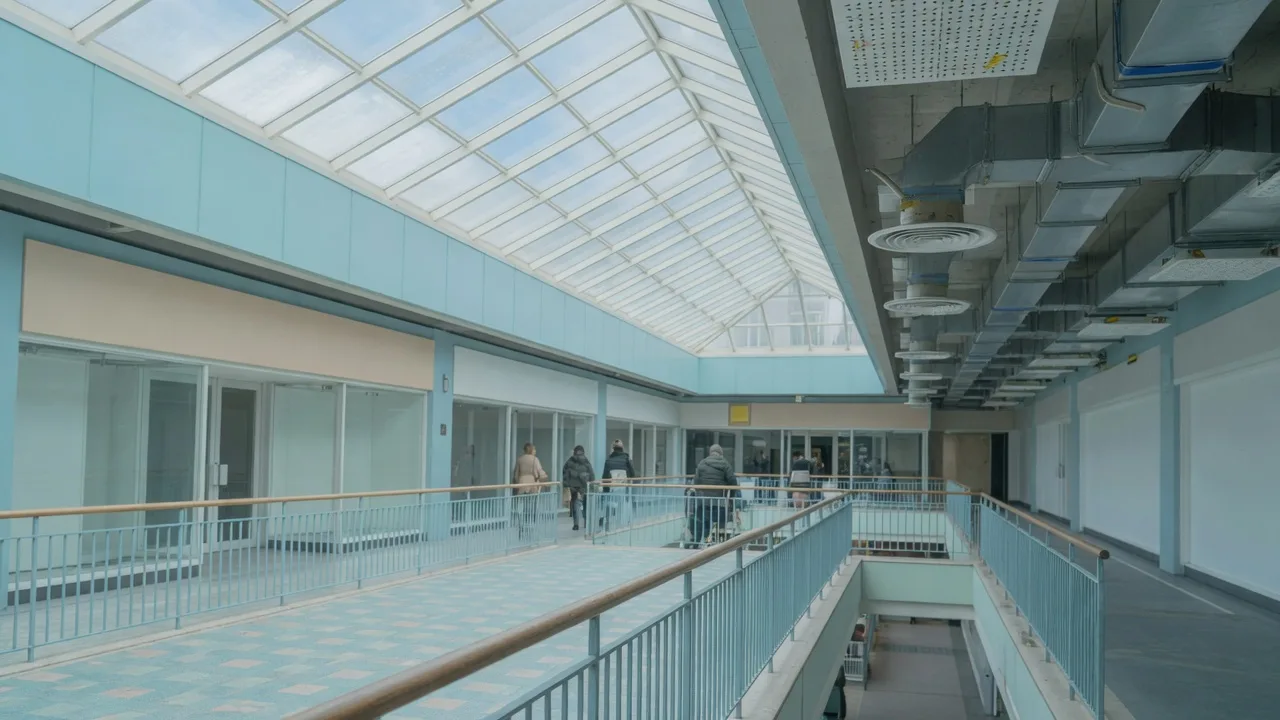
Shopping centres Public & high-footfall
Ductwork, Ventilation and Fire Safety Services for Shopping Centres
TR19 duct cleaning, kitchen-extract and fire-damper testing for shopping centres and retail malls.
Shopping centres Public & high-footfall
TR19 duct cleaning, kitchen-extract and fire-damper testing for shopping centres and retail malls.
Shopping centres run on constant air movement. High footfall, food units and multi-zone ventilation keep shared ductwork and fire-safety systems under continuous pressure, and a mall’s ventilation is only as strong as its weakest duct or its most-neglected fire damper.
Clean Ducts supports building owners, centre managers and FM teams across London, the Home Counties and major towns including Watford, Reading, Croydon and Milton Keynes. You receive documented ductwork cleaning, kitchen-extract servicing, mechanical ventilation checks and fire-damper testing that keep airflow clean and compliance evidenced through the year. If you manage a retail mall with food tenants or multi-zone ventilation, annual inspection of all shared ductwork is the minimum standard.
Modern shopping centres blend retail floorspace, food courts, delivery bays, storage areas and back-of-house corridors, and each zone creates a different airflow demand. Common pressure points include:
This mix makes maintenance urgent rather than optional. Clean Ducts has more than a decade of experience supporting large retail environments across London, Hertfordshire, Essex, Kent, Berkshire and Buckinghamshire.
Full-system cleaning for supply, extract and return ducts, including food-tenant branches and back-of-house zones. Services include:
Shared duct systems spread problems quickly, so early cleaning saves disruption later.
Food courts and restaurant tenants place heavy demand on extract systems. We provide:
Cleaning is carried out to BESA TR19 Grease, the standard for kitchen extract hygiene. High-use food courts often need cleaning every three to six months, depending on operating hours and grease load.
Stable ventilation keeps comfort levels predictable across large indoor spaces. Services include:
A single unbalanced zone drags performance down across the entire centre.
Shopping centres need strict fire-compartment integrity given their layout, size and visitor numbers. We provide:
Fire dampers in shopping centres often sit untouched for years. Testing them protects your compartmentation plan.
Some centres include specialist tenant units such as opticians, pharmacies or micro-labs. For these we deliver:
Most ventilation problems in shopping centres start in hidden areas managers never see. Camera surveys and documented reporting bring the whole system back into view.
Shopping centres must meet a combination of workplace-safety requirements, food-extract rules, fire-safety legislation and insurance conditions. Key obligations include:
Failure to maintain clean ductwork and tested fire dampers can lead to enforcement notices, problems during fire-risk assessments and insurance complications.
If a zone has poor airflow, check filters, dampers and supply routes before adjusting AHU output.
How often should ductwork be cleaned in a shopping centre? Shared ductwork should be inspected annually, with cleaning frequency set by contamination levels and how each zone is used. Food-tenant branches and high-footfall extract routes usually need attention more often than back-of-house supply runs.
Can work be scheduled around trading hours? Yes. Work in busy centres is planned outside trading hours or during quiet periods so shoppers and tenants are not disrupted.
How often should food-court extract systems be cleaned? High-use food courts often need cleaning every three to six months, depending on operating hours and grease load.
If your centre carries food tenants, multi-zone ventilation or ageing fire dampers, a survey confirms whether airflow, extract hygiene and fire protection are performing as they should. Request a survey and we will scope the ductwork, ventilation and fire-damper testing your shopping centre needs.
Request a free survey. A named engineer walks the system and puts what’s compliant, and what isn’t, in writing within 24 hours.